
Smoked Pulled Pork Plate


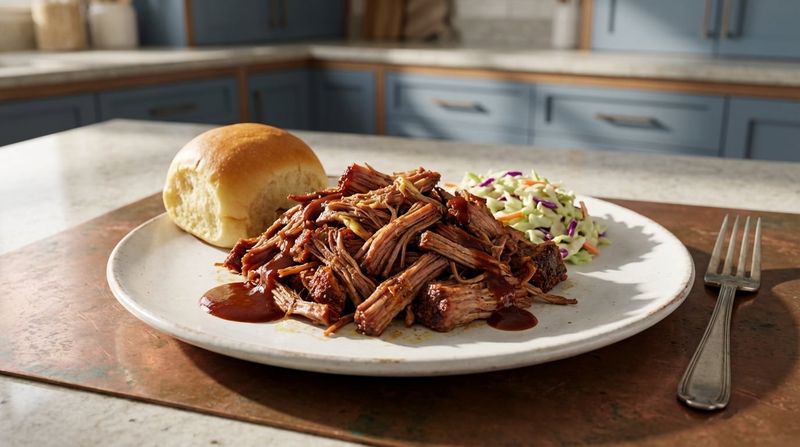
If you love American Southern cuisine with that signature slow-cooked, smoky aroma, this dish is calling your name. Over the span of 8 to 9 hours (plus a bit of prep and resting time), you’ll create a plate rich with tender, juicy pork, a kiss of spice, and a sweet-tangy finish that’s perfect for feeding a hungry family or impressing guests at your next weekend gathering. Each recipe yields enough for four generous servings, and you can customize the flavor with twists like bourbon in the sauce or a punchy jalapeño slaw. And since the method keeps the pork moist and full of layered flavor, your table will be filled with warm smiles and satisfied appetites.
Ingredients
- 3 lb boneless pork shoulder (Boston butt)
- 2 tbsp brown sugar
- 1 tbsp kosher salt
- 2 tsp smoked paprika
- 1 tsp black pepper
- 1 tsp garlic powder
- 1 tsp onion powder
- 1/2 tsp cayenne pepper
- 1/2 tsp dry mustard
- 1/2 cup apple cider vinegar
- 1 cup apple juice
- 2 tbsp yellow mustard
- 1 cup your favorite barbecue sauce, plus more for serving
- 1/4 cup unsalted softened butter (for finishing; if using salted butter, reduce kosher salt in rub by half)
- 4 soft dinner rolls or white bread slices, for plating
- 1 1/2 cups coleslaw (optional, for plating; season lightly with salt and pepper, if desired)
Helpful Links


Sides and Serving Ideas
A classic smoked pulled pork plate shines even brighter with thoughtfully chosen sides. These additions help round out the richness and add contrast with fresh, tangy, and crunchy elements.
- My Quick Pickled Red Onions : Bright, tangy, and crunchy pickled onions add color and a burst of acid, perfectly cutting through the pork's richness. Scatter them over your pulled pork or serve on the side.
- Southern-Style Baked Beans : Slow-cooked navy beans with a smoky, slightly sweet sauce make a hearty, familiar pairing for barbecue platters.
- Grilled Corn on the Cob : Serve charred corn brushed with butter and a sprinkle of smoked paprika or fresh herbs for a sweet, slightly smoky veggie side.
- Classic Potato Salad : Creamy and cool potato salad adds a comforting, starchy element and helps balance the acidity and heat from the main dish.
- Fresh Watermelon Slices : Crisp, sweet watermelon offers a refreshing palate cleanser that helps lighten up the meal.
Smoked Pulled Pork Plate FAQ
Here are some common questions home cooks might have when making this classic smoked pulled pork plate. If you have more questions, feel free to ask in the comments!
- Q:
Can I use a different cut of pork if I don't have pork shoulder?
- A:
Pork shoulder (also called Boston butt) is ideal for pulled pork due to its balance of fat and connective tissue, which results in tender, juicy meat after long smoking. However, you can also use pork butt or picnic roast if needed. Leaner cuts like pork loin will turn out drier and are not recommended for this style of pulled pork.
- Q:
Is it necessary to marinate the pork overnight, or is 1 hour enough?
- A:
Marinating for at least 1 hour will give you good flavor, but letting the pork sit overnight in the fridge helps the rub penetrate deeper. If you have the time, preparing it the night before is best; otherwise, an hour will still produce a tasty result.
- Q:
What can I use if I don’t have a smoker?
- A:
If you don’t have a smoker, you can use a charcoal or gas grill set up for indirect heat. Add a smoker box or wrap wood chips in foil with holes poked on top to generate smoke. Keep the temperature steady at 225°F for best results.
- Q:
How can I tell when the pork is done?
- A:
The pork is ready when it reaches an internal temperature of 195°F to 203°F, which usually takes about 8 hours of smoking. The meat should pull apart easily—if it’s still tough, let it continue to cook until it shreds with little resistance.
- Q:
Can I make the pulled pork less spicy?
- A:
Yes, simply reduce or omit the cayenne pepper in the rub if you prefer a milder flavor. You can also skip any additional spicy elements, and serve the pork with a sweet barbecue sauce to balance any lingering heat.
- Q:
Are there any substitutions for the apple juice and apple cider vinegar used for spritzing?
- A:
If you don’t have apple juice or cider vinegar, you can use equal parts white grape juice and white vinegar or even just water with a splash of lemon juice. The main goal is to keep the pork moist during the long smoke and add a bit of acidity to balance the flavors.
Instructions: Key Highlights & Chef's Tips
Making Smoked Pulled Pork Plate is mostly straightforward, but there are a few steps where technique and attention really make a difference. Here are the moments you'll want to focus on for the best possible results.
Step 2
:When rubbing the pork with mustard and dry rub, make sure every surface is coated and really press the rub in to ensure deep flavor throughout the meat. Your hands should be a little messy—this helps the seasoning adhere.
Step 4
:Allowing the pork to rest at room temperature for 30–45 minutes before smoking is crucial. This step promotes even cooking and lets the smoke penetrate better, so don't rush it. The pork should not feel ice-cold to the touch when it goes into the smoker.
Step 7
:During the 8-hour smoke, consistently spritz the pork with apple cider vinegar and apple juice every hour. This keeps the bark moist and encourages a flavorful outer crust. Aim for a deep mahogany color on the outside, and don't skip measuring the internal temperature (target 195°F–203°F) for perfect shreddability.
Step 8
:Resting the pork for 30 minutes while wrapped in foil is key to juicy results. The juices will redistribute, making it much easier to shred and maximizing moisture in every bite.
Highlighted Ingredients for Outstanding Smoked Pulled Pork
Every bite of this dish leans on the right balance of smoke, spice, and seasoning. Here are the key ingredients that make this plate shine—and why they matter most.
The Star of the Show
- Boneless pork shoulder (Boston butt):
This cut is the heart and soul of pulled pork. Its balance of lean meat and marbled fat ensures the pork stays tender and moist even after hours in the smoker. A 3-pound shoulder will develop the perfect blend of juicy strands and flavorful bark.
Essential Rub and Seasoning
- Smoked paprika:
This adds a gentle smoky undertone that supports the external smoke from your wood chips. It’s an essential ingredient for layering smokiness throughout.
- Kosher salt:
Key for seasoning both the meat and the rub, it helps proteins retain moisture and enhances every other spice.
- Brown sugar:
This develops a slightly sweet crust (the 'bark') after hours of smoking, balancing heat and smoke with caramel notes.
- Cayenne pepper:
Its subtle heat adds a background kick. A little goes a long way to keep the flavors lively without overpowering.
For Smoke and Moisture
- Apple cider vinegar and apple juice (for spritzing):
Spritzing the pork every hour with this mix keeps it moist and lends just enough tang and fruitiness to cut through the richness, helping bark formation and flavor balance.
Finishing Touches
- Butter:
Stirring in softened butter brings out a silky finish, rounding out texture and melding flavors right as you shred the pork.
- Barbecue sauce:
A generous stir-in of your favorite barbecue sauce defines the final profile. It brings sweet, tangy, and smoky notes that highlight the pork’s richness and seasoning.
To Serve (Optional But Classic)
- Soft dinner rolls or white bread slices:
Classic Southern pairing—provides an easy vehicle for the pork and soaks up juices without distracting from the main event.
- Coleslaw:
A crisp and creamy counterpoint to the rich, smoky pork. It adds freshness, a little crunch, and acidity to balance out the plate.
Cooking Tips for Smoked Pulled Pork Plate
Take your smoked pulled pork up a notch with these smart, practical tips. Attention to heat, slicing, doneness, and texture can transform your pork from good to truly memorable. Here are some pointers to help you get the most out of your time at the smoker:
Let the pork come to room temperature before smoking
:After refrigeration, allow your pork shoulder to sit out for 30–45 minutes. This ensures even cooking and helps smoke penetrate deep into the meat.
Maintain a steady smoker temperature
:Try to keep your smoker close to the recommended 225°F. Fluctuating temperatures can cause uneven cooking and affect the final texture. A digital thermometer is very helpful here.
Spritz regularly for moisture and bark
:Spritz your pork shoulder every hour with apple juice and apple cider vinegar. This adds layers of flavor, helps build a flavorful bark, and keeps the meat juicy throughout the long cook time.
Check doneness by temperature, not time
:Rely on a meat thermometer to confirm doneness—look for an internal temperature between 195°F and 203°F. This range ensures the pork is pull-apart tender and easy to shred.
Rest the pork before shredding
:Wrap the pork in foil and let it rest for 30 minutes after smoking. This step allows juices to redistribute, making your pulled pork extra juicy.
Shred while warm for best texture
:Start shredding the pork while it's still warm, using two forks. Warm meat separates more easily and allows the butter and barbecue sauce to mix in smoothly for rich, even flavor.
What Makes This Smoked Pulled Pork Plate Special
This recipe brings classic American Southern barbecue right to your home smoker. With a carefully balanced dry rub, low-and-slow technique, and thoughtful finishing touches, each bite delivers a memorable blend of flavor and texture. Here’s what sets this smoked pulled pork plate apart:
Deep, smoky flavor and aroma
:Long smoking over wood chips infuses the pork shoulder with a signature mahogany bark and rich, smoky undertones, perfectly complemented by the aromatic spice rub.
Balance of flavors and textures
:The combination of sweet, tangy, and spicy notes from brown sugar, apple cider vinegar, barbecue sauce, and a touch of cayenne creates a well-rounded bite, while shredded pork is juicy and tender with a satisfying chew.
Practical for gatherings and make-ahead meals
:You can prep the pork ahead—let it marinate overnight for deeper flavor, and easily shred and reheat for parties, meal prep, or stress-free entertaining.
Flexible seasoning and serving options
:Customize with different wood chips, kicks of extra spice, or unique slaws for your twist; the recipe includes suggestions to keep things exciting.
Dietary friendly
:Naturally nut-free and egg-free, this dish is suitable for a variety of guests and crowd-friendly occasions.
Essential Equipment for Smoked Pulled Pork Plate
Here’s what you’ll need to prepare, smoke, and serve your pulled pork plate:
- Smoker
- Meat thermometer
- Cutting board
- Sharp knife
- Small mixing bowl
- Large bowl or tray (for shredding and mixing)
- Plastic wrap
- Tongs
- Forks (for shredding pork)
- Spray bottle or food-safe spritzer (for hourly spritzing)
- Toaster or oven (for toasting bread or rolls)
Recipe Variations
Here are some great ways to put your own spin on this smoked pulled pork plate:
Mix 1 teaspoon of chipotle powder into the dry rub for a bolder, smoky heat that elevates the pork's flavor.
Serve the pulled pork with tangy pickled red onions for extra acidity and a satisfying crunch.
Finish the pulled pork with a splash of bourbon stirred into the barbecue sauce for a richer, subtly sweet depth.
Switch the wood chips to cherry or mesquite for a different smoky profile—cherry brings sweetness, while mesquite adds earthy intensity.
Top your pork with a fiery jalapeño slaw instead of classic coleslaw to bring more heat and vibrant color to the plate.
For a Southern BBQ bowl, layer pulled pork over a bed of creamy grits, then top with barbecue sauce and coleslaw for a comforting, all-in-one dish.
Prep Ahead
You can mix the dry rub (brown sugar, salt, spices) up to several days in advance—store it in an airtight container at room temperature until ready to use.
The pork shoulder can be coated with mustard and the dry rub, then wrapped and refrigerated for at least 1 hour, or up to overnight. This makes it easy to prep the night before you smoke it, which will deepen the flavor and save time on cook day.
Chop or shred your coleslaw vegetables (if making homemade slaw) the day before and keep them refrigerated in an airtight container. Wait to combine with dressing and season until just before serving, for best texture.
Dinner rolls can be sliced and stored in a sealed bag at room temperature for 1-2 days.
Be sure to discard any marinade or rub that has come into contact with raw pork—never reuse it. With these steps, you can split the prep over two days and have everything ready for a relaxed start on barbecue day.
Dietary Adaptations
This smoked pulled pork plate is naturally nut-free and egg-free, making it a solid choice for many common dietary preferences. Here are a few simple ways you can adjust the recipe for other needs:
Gluten-Free: Swap the soft dinner rolls or white bread slices for your favorite gluten-free bread or rolls. Double-check that your barbecue sauce and coleslaw dressing do not contain any wheat-derived thickeners.
Dairy-Free: To make the plate dairy-free, simply omit the unsalted butter when finishing the shredded pork. Most barbecue sauces are naturally dairy-free, but it’s wise to check the label or use your favorite homemade version.
Lower-Carb: For a lower-carb meal, skip the bread entirely and serve the pulled pork over a fresh green salad, cabbage slaw without added sugar, or simply pile it onto a plate with extra vegetables.
Higher Protein: If you’d like to boost protein, serve larger portions of pork, skip or reduce the bread, and pair with a protein-rich side like a bean salad (unless you require nut- and egg-free, in which case choose a bean salad without any added nuts or hard-boiled eggs).
These swaps will help the smoked pulled pork plate fit a wider range of home cook needs without sacrificing the smoky barbecue flavor.
Serving Size
This smoked pulled pork plate serves four people as the default. Each person can expect a hearty plate with roughly 10 ounces of pork, plenty of bread, and a generous scoop of coleslaw if you're including it. The portions are satisfying, perfect for a relaxed family dinner or sharing with friends at a backyard barbecue.
Nutrition Information
This smoked pulled pork plate offers a hearty combination of protein from the pork shoulder, moderate fat content (including a notable amount of saturated fat from both pork and finishing butter), and carbohydrates contributed mainly by the dinner roll, barbecue sauce, and optional coleslaw. The rub and sauce add sodium and sugar, making this a calorie-dense Southern-style meal. Fiber is present in smaller amounts, mainly from the coleslaw and bread. Each portion is intended as a full plate including bread, pork, sauce, and coleslaw.
Ingredient Substitutions
If you want to customize your Smoked Pulled Pork Plate for dietary needs, ingredient availability, or just a change of pace, here are some practical swaps. These substitutions help maintain the smoky, savory profile and texture while fitting different preferences or pantries.
- boneless pork shoulder (Boston butt) → boneless beef chuck roast
Beef chuck roast has a similar fat content and cooks up tender and shreddable, making it ideal for the same low-and-slow smoking method.
Adjustments: Increase salt in the rub by 1/2 teaspoon to better season the beef. Smoking time may be similar, but check doneness at the 7–8 hour mark, as beef sometimes finishes a bit faster.
- unsalted softened butter (for finishing) → olive oil or plant-based butter
Olive oil or a plant-based butter keeps the finish rich and moist, perfect for dairy-free needs while adding a touch of flavor.
Adjustments: Use the same amount (1/4 cup). For olive oil, drizzle evenly after shredding pork for a lighter finish.
- soft dinner rolls or white bread slices → gluten-free buns or bread
Gluten-free buns/bread allow those with gluten sensitivities to enjoy the sandwich-style plating without changing the experience.
Adjustments: No adjustment needed—toast gluten-free bread as directed for best texture.
- apple cider vinegar and apple juice (for spritzing) → white grape juice and white wine vinegar
White grape juice and white wine vinegar mimic the sweet-tart character, helping retain moisture and build flavor during smoking.
Adjustments: Use the same measurements: 1 cup juice to 1/2 cup vinegar for your spritz.
- barbecue sauce (for mixing and serving) → homemade or store-bought sugar-free barbecue sauce
A sugar-free barbecue sauce is suitable for lower-sugar diets and reduces the overall sweetness without losing classic BBQ tang.
- coleslaw (optional) → shredded cabbage tossed with olive oil, lemon juice, and salt
A simple dressed cabbage provides crunch and freshness for those avoiding dairy or eggs, common in creamy slaw dressings.
Adjustments: Use about 1.5 cups shredded cabbage mix. Dress just before serving for best texture.
Storage Instructions
To store leftover smoked pulled pork, let it cool to room temperature (about 30–45 minutes), then transfer to an airtight container. Pulled pork can generally be refrigerated for up to 3–4 days, or frozen for about 2–3 months for best flavor and texture. Avoid leaving the meat at room temperature for extended periods before storing.
Refrigerator: Use airtight containers or heavy-duty resealable bags. Divide into smaller portions for quicker cooling and easier reheating.
Freezer: Wrap in plastic wrap or foil, then place in freezer bags or containers. Squeeze out excess air to help prevent freezer burn.
Reheating: Gently reheat in a covered skillet over low heat with a splash of broth, barbecue sauce, or apple juice to keep it moist. Microwave on medium in short intervals, stirring occasionally, or reheat covered in a 300°F oven for 15–20 minutes. Add extra sauce if needed to restore moisture.